

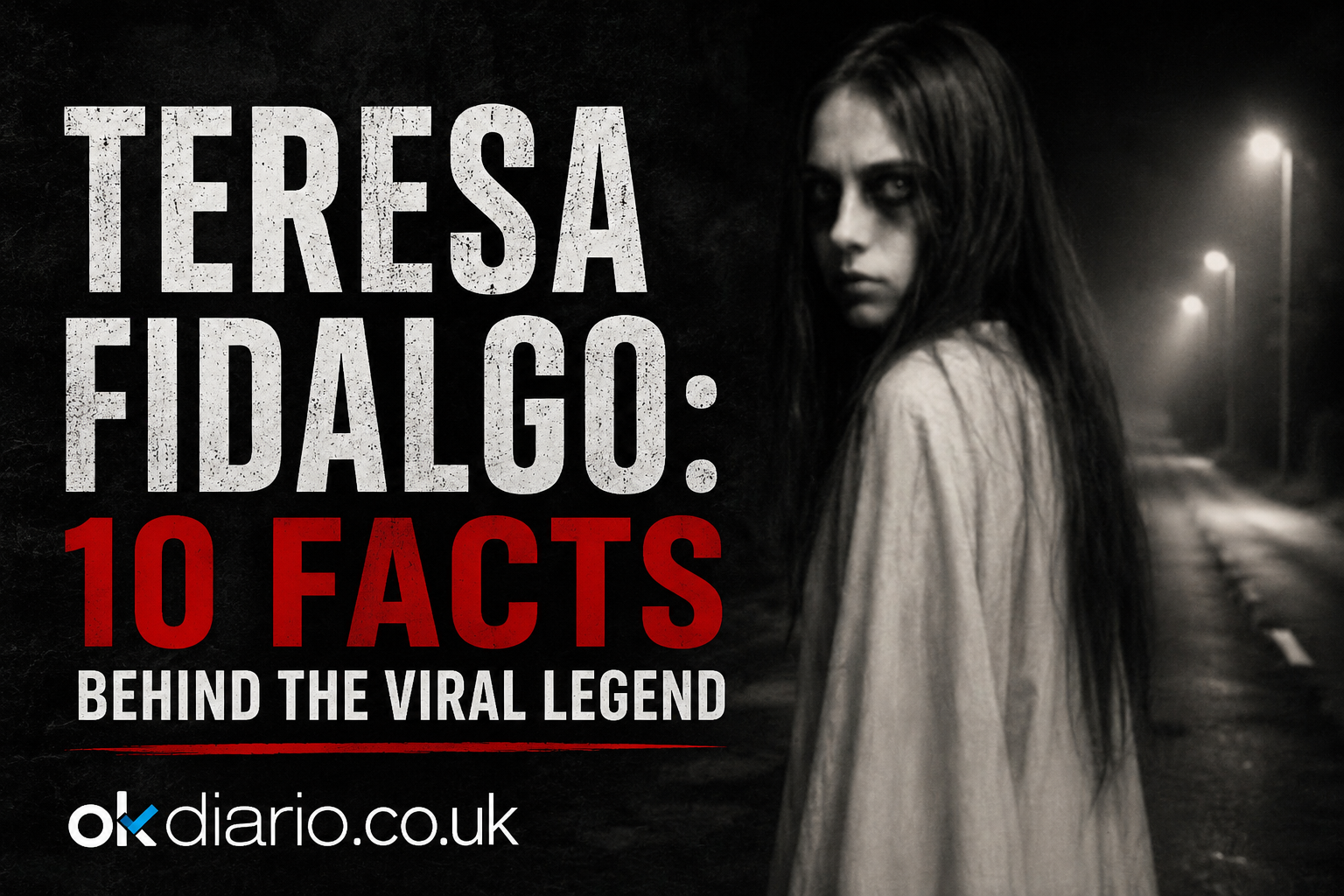
Teresa Fidalgo: 10 Facts Behind the Viral Legend
The internet has given birth to countless urban legends, but very few have achieved the global recognition of Teresa Fidalgo. For years, social media users have shared frightening messages claiming that failing to repost her story would bring bad luck. Others insist her ghost still haunts lonely roads in Portugal. Yet, beneath the fear, rumors, and viral posts lies a fascinating tale about storytelling in the digital age.
What makes the Teresa Fidalgo phenomenon so enduring? Is it a genuine paranormal mystery, a clever film project, or simply one of the most successful internet hoaxes ever created?
The answer is more interesting than many people expect.
In this article, we’ll explore ten remarkable facts about Teresa Fidalgo, separate fiction from reality, and examine why this legend continues to capture public imagination across generations.
Teresa Fidalgo Biography
| Detail | Information |
|---|---|
| Full Name | Teresa Fidalgo (fictional character) |
| Date of Birth | Not officially established |
| Age | Unknown |
| Profession | Fictional urban legend figure |
| Nationality | Portuguese (within the story) |
| Net Worth (approx.) | Not applicable |
| Notable Works / Achievements | Viral internet phenomenon, horror short film inspiration |
Who Is Teresa Fidalgo?
Before diving into the facts, it’s important to understand what Teresa Fidalgo actually represents.
Contrary to popular belief, Teresa Fidalgo is not a verified historical person connected to a documented paranormal event. Instead, she emerged from a Portuguese horror project that later transformed into a worldwide internet sensation.
Millions encountered the story through chain messages that warned:
“I am Teresa Fidalgo. If you don’t share this message, something bad will happen.”
That simple formula combined fear, mystery, and social pressure—three ingredients that often fuel viral content.
Over time, the line between fiction and reality became blurred, allowing the legend to evolve far beyond its original source.
Fact #1: Teresa Fidalgo Originated From a Portuguese Horror Film
One of the biggest misconceptions surrounding Teresa Fidalgo is that she was a real accident victim.
In reality, the story gained popularity after the release of a Portuguese mockumentary-style horror project created by filmmaker David Rebordão. The production featured realistic footage designed to resemble authentic recordings.
The famous scene showed friends driving at night before encountering a mysterious woman claiming to be Teresa Fidalgo.
Moments later, terror unfolded.
The realistic presentation convinced many viewers that they had witnessed genuine paranormal evidence.
This creative storytelling approach played a significant role in establishing the modern Teresa Fidalgo legend.
Fact #2: The Viral Video Fooled Millions
Long before short-form video platforms dominated the internet, Teresa Fidalgo content spread through forums, email chains, and social networks.
The video’s grainy visuals and documentary style enhanced its credibility. Many viewers lacked immediate access to fact-checking resources, making the supernatural explanation more believable.
People shared the footage with family members, classmates, and friends, creating an international ripple effect.
As a result, Teresa Fidalgo became more than a character.
She became an internet phenomenon.
Fact #3: Chain Messages Made the Legend Even Bigger
Perhaps the most recognizable aspect of Teresa Fidalgo involves the infamous reposting messages.
These typically stated:
- Share this message with 20 people.
- Ignore it, and bad luck will follow.
- Teresa is watching.
- Strange events may occur if you remain silent.
From a psychological perspective, chain messages exploit human fear and uncertainty.
People often share them not because they believe every word, but because the cost of ignoring them feels emotionally uncomfortable.
This strategy has existed for generations, yet social media amplified its effectiveness dramatically.
The Teresa Fidalgo legend simply adapted an old concept for the digital era.
Fact #4: No Historical Records Confirm Her Story
Despite extensive discussions online, no verified historical evidence confirms the existence of Teresa Fidalgo as portrayed in viral posts.
Researchers, journalists, and curious internet users have repeatedly searched for:
- Police records
- Newspaper archives
- Accident reports
- Official documents
- Local testimonies
However, no reliable sources support the supernatural narrative.
This lack of evidence reinforces the understanding that Teresa Fidalgo belongs to folklore and internet culture rather than documented history.
Nevertheless, myths often thrive precisely because they leave room for imagination.
Fact #5: Portugal Embraced the Mystery
Interestingly, the Teresa Fidalgo story contributed to discussions about modern Portuguese folklore.
Portugal possesses a rich tradition of ghost stories, haunted locations, mysterious legends, and supernatural beliefs. Therefore, audiences naturally connected with the themes presented in the film.
Local myths have long featured wandering spirits, tragic romances, and unexplained events on remote roads.
Teresa Fidalgo fit comfortably within that cultural framework.
Although fictional, she became part of contemporary storytelling traditions.
Fact #6: Social Media Turned Her Into a Global Icon
Without social media, Teresa Fidalgo might have remained a niche horror character.
Instead, platforms transformed her into a worldwide phenomenon.
Users created:
- Reaction videos
- Paranormal discussions
- Debunking content
- Meme compilations
- Horror analyses
- Fan theories
- Urban legend documentaries
Each new generation discovered the story through different channels.
First came emails.
Then forums.
Later, Facebook, Instagram, TikTok, and video-sharing communities kept the legend alive.
The digital ecosystem ensured Teresa Fidalgo never truly disappeared.
Fact #7: The Story Reflects Internet Folklore
Traditional folklore developed through oral storytelling.
Modern folklore spreads online.
Teresa Fidalgo represents a textbook example of internet folklore because her narrative evolves as people reinterpret and retell it.
Some versions describe:
- A fatal car accident.
- A wandering ghost.
- A cursed road in Portugal.
- A spirit seeking justice.
- A warning against nighttime travel.
Other variations introduce entirely new details.
This constant evolution mirrors ancient legends that changed from village to village.
Only now, the village is global.
Fact #8: Fear Psychology Explains Her Popularity
Human beings are naturally attracted to mysteries.
Psychologists often point to several reasons why stories like Teresa Fidalgo gain traction:
The Fear of the Unknown
Uncertainty creates emotional tension. People seek explanations for strange stories, even when evidence is limited.
Social Validation
When friends share frightening content, individuals become more likely to accept it as credible.
Pattern Recognition
Humans instinctively search for patterns and hidden meanings, especially in ambiguous situations.
Emotional Storytelling
Facts inform people, but emotions inspire sharing.
The Teresa Fidalgo legend succeeds because it triggers curiosity, suspense, nostalgia, and fear simultaneously.
Fact #9: Teresa Fidalgo Inspired New Horror Content
Creative artists often draw inspiration from successful myths.
The Teresa Fidalgo phenomenon influenced:
- Independent filmmakers
- Horror writers
- Content creators
- Urban legend enthusiasts
- Paranormal podcasters
- Social media storytellers
Many modern digital horror narratives borrow similar techniques:
- Found footage aesthetics
- Realistic dialogue
- Documentary presentation
- Ambiguous endings
- Audience participation
These methods blur reality and fiction, increasing emotional investment.
Teresa Fidalgo helped popularize that approach for online audiences.
Fact #10: The Legend Still Lives Today
Perhaps the most remarkable fact is simple:
People continue talking about Teresa Fidalgo decades after the original story emerged.
Every year, new audiences encounter:
- Viral reposts
- TikTok explanations
- YouTube documentaries
- Reddit discussions
- Paranormal debates
- Fact-check articles
Some immediately recognize the fiction.
Others remain genuinely uncertain.
That ambiguity keeps the conversation alive.
The Teresa Fidalgo story demonstrates that compelling narratives can outlast technological changes, platform shifts, and cultural trends.
The Truth Behind Teresa Fidalgo
Was Teresa Fidalgo Real?
The overwhelming consensus among researchers and media analysts is no.
The widely circulated story stems from fictional entertainment rather than documented events.
Why Do People Still Believe It?
Several factors contribute:
- Authentic-looking footage
- Emotional storytelling
- Cultural folklore traditions
- Viral chain messages
- Social media repetition
Repeated exposure often increases perceived credibility, even when evidence remains absent.
Is There a Haunted Road in Portugal?
Many versions reference specific roads and supernatural encounters.
However, no verified evidence confirms paranormal activity connected to Teresa Fidalgo.
The mystery persists largely because mystery itself is attractive.
Teresa Fidalgo in Pop Culture
The influence of Teresa Fidalgo extends beyond horror communities.
She has appeared in:
- Internet memes
- Educational discussions about misinformation
- Digital culture studies
- Paranormal podcasts
- Online folklore research
- University conversations about viral myths
Teachers sometimes use the story to discuss critical thinking and media literacy.
Students learn valuable lessons about:
- Verifying information
- Questioning viral claims
- Understanding source credibility
- Recognizing emotional manipulation
In that sense, Teresa Fidalgo offers educational value alongside entertainment.
Why Urban Legends Never Truly Die
Urban legends serve important social functions.
Moreover, they reflect collective fears.
Previous generations told stories around campfires.
Today’s generations share videos, screenshots, and social posts.
The medium changes.
Human behavior remains remarkably consistent.
Teresa Fidalgo represents this transition from traditional folklore to digital mythology.
She belongs to a new category of legends born online yet sustained by timeless psychological patterns.
Lessons We Can Learn From the Teresa Fidalgo Story
The popularity of Teresa Fidalgo offers several meaningful insights.
Always Verify Information
Not every viral story reflects reality.
Checking reliable sources helps separate fact from fiction.
Storytelling Is Powerful
A compelling narrative can travel farther than straightforward information.
Emotional engagement matters.
Digital Literacy Matters
Modern internet users benefit from understanding:
- Misinformation tactics
- Viral marketing methods
- Chain message psychology
- Social influence mechanisms
Myths Continue to Evolve
Human beings naturally create legends.
Technology simply accelerates their spread.
Frequently Asked Questions About Teresa Fidalgo
Who created Teresa Fidalgo?
The character became widely known through filmmaker David Rebordão’s Portuguese horror project featuring found-footage storytelling techniques.
Is Teresa Fidalgo a real ghost?
No verified evidence supports claims that Teresa Fidalgo exists as a real supernatural entity.
Why do chain messages mention Teresa Fidalgo?
Chain messages use fear and curiosity to encourage sharing, helping the legend remain relevant online.
Where did the Teresa Fidalgo story originate?
The modern version originated in Portugal before spreading internationally through social media platforms.
Why is Teresa Fidalgo still famous?
Her story combines mystery, horror, internet culture, folklore, and emotional storytelling—elements that consistently attract audiences.
Final Thoughts on Teresa Fidalgo
The enduring fascination with Teresa Fidalgo reveals something profound about modern society.
People crave mystery.
They enjoy stories that blur reality and imagination.
They share experiences that provoke emotion, whether fear, curiosity, or wonder.
Although Teresa Fidalgo is best understood as a fictional creation rather than a historical figure, her impact on digital culture is undeniably real. She transformed from a local horror concept into a global urban legend, influencing conversations about folklore, misinformation, viral media, and human psychology.
In many ways, Teresa Fidalgo symbolizes the internet age itself—a place where stories evolve rapidly, communities shape narratives collectively, and myths gain extraordinary power through repetition.
What do you think about the Teresa Fidalgo legend? Did you ever receive one of those famous chain messages or watch the original video for the first time with genuine fear? Share your thoughts and keep the conversation alive, because every great legend survives through the people who continue telling its story.