

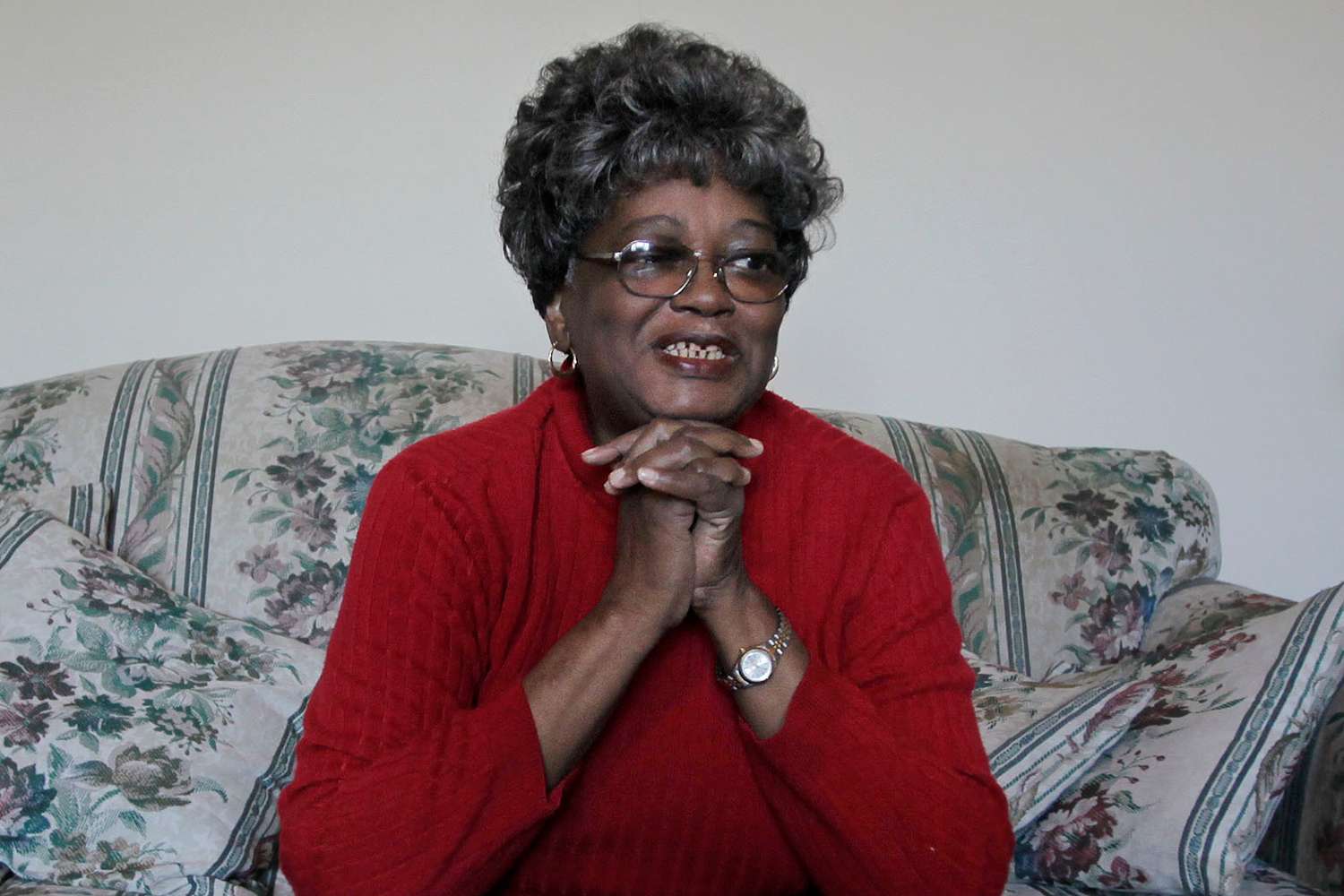
10 Facts About Claudette Colvin You Should Know
History has a way of highlighting certain names while quietly leaving others in the background. Yet sometimes, the untold stories are the ones that truly reshape how we see the world. Claudette Colvin is one of those names. If you’ve ever heard of the Montgomery bus boycott, chances are you’ve come across Rosa Parks. But months before that famous protest, Claudette Colvin, a 15-year-old girl, made a bold stand that would echo through the civil rights movement.
Her story is not just inspiring—it’s essential. So, let’s take a closer look at 10 important facts about Claudette Colvin that deserve more attention.
BIO: Claudette Colvin at a Glance
| Field | Details |
|---|---|
| Full Name | Claudette Austin Colvin |
| Date of Birth | September 5, 1939 |
| Age | 86 (as of 2026) |
| Profession | Civil Rights Activist |
| Nationality | American |
| Net Worth (approx.) | Not Publicly Available |
| Notable Works / Achievements | Early bus protester, Key witness in Browder v. Gayle |
Why Claudette Colvin’s Story Matters
Before diving into the facts, it’s worth pausing for a moment. Why does Claudette Colvin matter today? The answer is simple. Her courage represents the beginning of something much bigger than herself. Moreover, her story reminds us that change often starts with ordinary people making extraordinary decisions.
1. Claudette Colvin Refused to Give Up Her Seat Before Rosa Parks
This is perhaps the most important fact about Claudette Colvin. On March 2, 1955, months before Rosa Parks’ well-known protest, Claudette Colvin refused to give up her seat to a white passenger on a segregated bus in Montgomery, Alabama.
At just 15 years old, Claudette Colvin showed remarkable bravery. While others stayed silent, she took a stand against injustice. This moment marked one of the earliest acts of defiance in the modern civil rights movement.
2. She Was Arrested for Her Courage
Standing up for what’s right often comes with consequences. Claudette Colvin was arrested and charged with disturbing the peace, violating segregation laws, and assaulting a police officer.
Imagine being a teenager, surrounded by authority figures, and still refusing to back down. Claudette Colvin later said she felt history pressing on her shoulders. That sense of purpose gave her strength in a moment that could have been overwhelming.
3. Claudette Colvin Played a Key Role in Browder v. Gayle
While her initial protest didn’t spark a mass boycott immediately, Claudette Colvin became a crucial figure in a landmark legal case: Browder v. Gayle.
This case challenged bus segregation laws and eventually led to a Supreme Court ruling that declared them unconstitutional. Claudette Colvin was one of the key plaintiffs, helping to bring about real, lasting change.
4. She Was Only 15 Years Old
It’s hard to fully grasp the significance of Claudette Colvin’s age. At 15, most teenagers are focused on school, friends, and everyday life. However, Claudette Colvin found herself at the center of a national struggle for justice.
Her youth makes her actions even more powerful. It shows that courage doesn’t depend on age—it depends on conviction.
5. Her Story Was Overshadowed for Years
Despite her bravery, Claudette Colvin didn’t receive the same recognition as other civil rights figures. There were several reasons for this.
Civil rights leaders at the time believed Rosa Parks would be a more suitable figurehead for the movement. Parks was older, well-known, and seen as someone who could unite broader support.
As a result, Claudette Colvin’s story was largely overlooked for decades.
6. Claudette Colvin Was Inspired by Civil Rights History
On the day of her protest, Claudette Colvin later recalled thinking about historical figures and movements. She felt connected to a larger struggle for equality.
This sense of historical awareness played a significant role in her decision. She didn’t act impulsively—she acted with purpose.
7. She Faced Social and Personal Challenges
After her arrest, Claudette Colvin faced significant challenges. She experienced criticism, isolation, and even judgment from parts of her community.
In addition, her personal circumstances made it difficult for her to remain in the public spotlight. These factors contributed to why her story wasn’t widely told for many years.
8. Claudette Colvin Moved to New York
Later in life, Claudette Colvin moved to New York City, where she worked as a nurse’s aide. Away from the spotlight, she built a life focused on stability and quiet contribution.
This chapter of her life shows another side of her story. Not every hero seeks recognition—some simply move forward, carrying their experiences with them.
9. Recognition Came Later in Life
Thankfully, history has a way of correcting itself. In recent years, Claudette Colvin has received greater recognition for her role in the civil rights movement.
Books, documentaries, and educational programs have helped bring her story to a wider audience. Today, Claudette Colvin is finally being acknowledged as a pioneer of change.
10. Claudette Colvin’s Legacy Inspires New Generations
Perhaps the most important fact about Claudette Colvin is her lasting impact. Her story continues to inspire young people around the world.
Key Lessons from Claudette Colvin’s Legacy
- Courage can come from anyone, at any age
- Standing up for justice can create lasting change
- Recognition may take time, but truth endures
- Individual actions can spark collective movements
The Broader Context of the Civil Rights Movement
To fully appreciate Claudette Colvin’s role, it helps to understand the broader civil rights movement.
This era was marked by widespread activism aimed at ending racial segregation and discrimination. Key elements included:
- Peaceful protests
- Legal challenges
- Community organizing
- Leadership from activists and organizations
Claudette Colvin’s actions fit directly into this larger struggle. She wasn’t alone—but she was among the first to take a stand in a very visible way.
Why Claudette Colvin’s Story Resonates Today
In today’s world, discussions about equality, justice, and human rights continue. That’s why Claudette Colvin’s story feels just as relevant now as it did decades ago.
Modern-Day Relevance
- Youth activism is more visible than ever
- Social justice movements continue to grow
- Stories of overlooked figures are being rediscovered
Claudette Colvin represents all of these themes. Her story reminds us that change is often driven by those willing to challenge the status quo.
A Closer Look at Her Courage
Let’s pause and think about what courage really means. It’s easy to admire it from a distance, but much harder to act on it in real life.
Claudette Colvin didn’t know what the outcome would be. She didn’t have a plan for fame or recognition. She simply knew that something was wrong—and she refused to accept it.
That kind of courage is rare, and it’s worth remembering.
Key Takeaways About Claudette Colvin
To summarize, here are the most important points:
- Claudette Colvin protested bus segregation before Rosa Parks
- She was arrested at just 15 years old
- She played a key role in ending bus segregation
- Her story was overlooked but later recognized
- Her legacy continues to inspire
Final Thoughts
Claudette Colvin’s story is a powerful reminder that history is shaped by individuals who dare to act. She may not have received immediate recognition, but her impact is undeniable.
As we reflect on her journey, it’s worth asking ourselves a simple question: What would we have done in her place?
Her story challenges us to think, to question, and to act when it matters most. If you found this inspiring, share it with others and help keep Claudette Colvin’s legacy alive.