

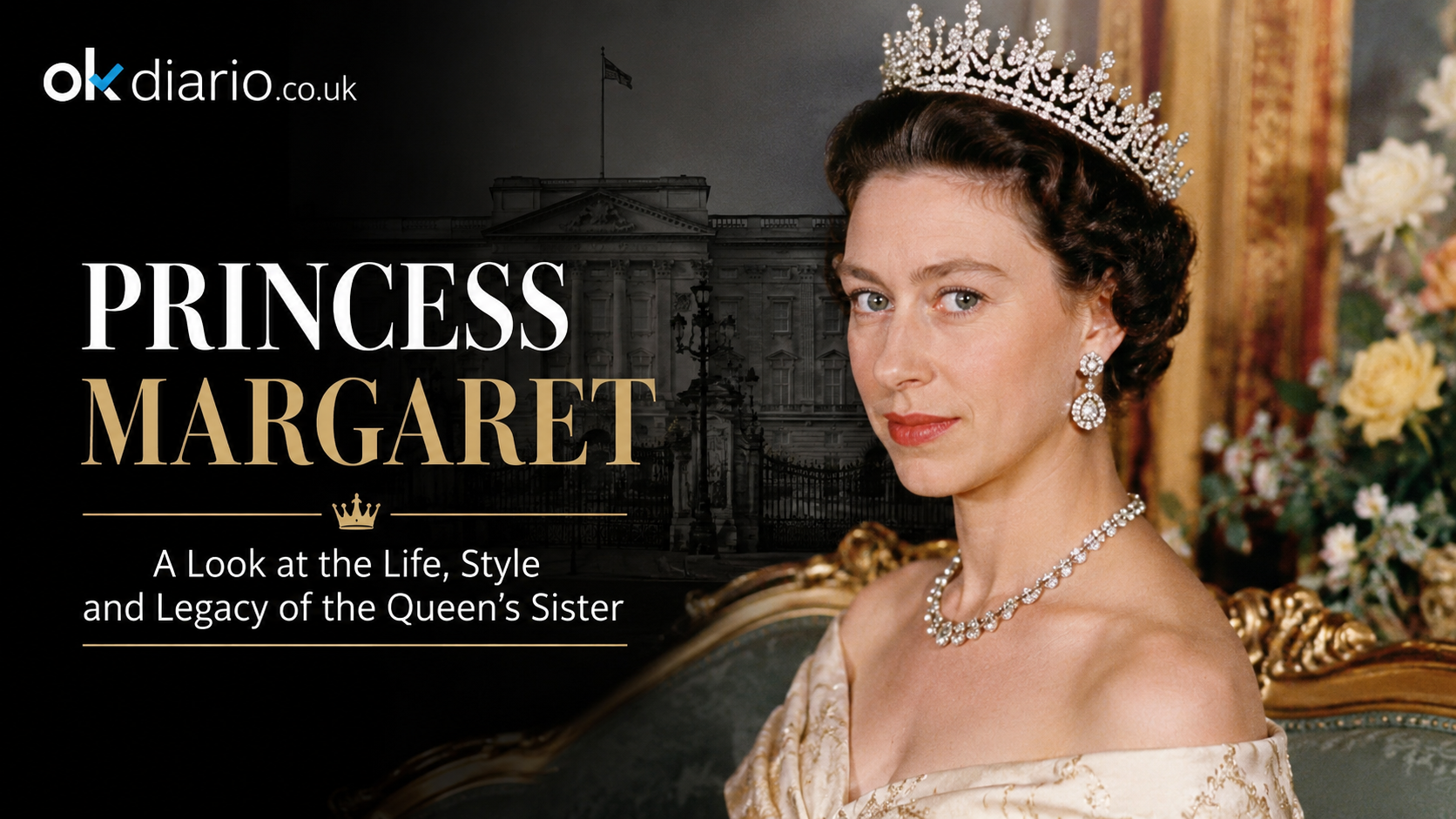
Princess Margaret: Her Life, Legacy, and Royal Influence
Princess Margaret remains one of the most fascinating figures in modern British royal history. As the younger sister of Queen Elizabeth II, she lived a life that balanced privilege, public service, glamour, and personal struggle. Her story reflects both the opportunities and constraints of royal life during the twentieth century.
Often remembered for her elegance, wit, and vibrant social life, Princess Margaret also faced difficult personal choices under the intense scrutiny of the public and the media. Her experiences helped shape discussions about the expectations placed on members of the British royal family and highlighted the challenges of balancing personal happiness with public duty.
This article explores Princess Margaret’s biography, childhood, royal responsibilities, relationships, marriage, public image, lasting legacy, and the influence she continues to have on perceptions of the monarchy.
Key Takeaways
- Princess Margaret was the younger sister of Queen Elizabeth II and a prominent member of the British royal family.
- She became known for her glamorous lifestyle, charitable work, and distinctive personality.
- Her relationship with Group Captain Peter Townsend remains one of the most discussed royal romances.
- Despite personal challenges, she represented the Crown for decades through official engagements.
- Princess Margaret’s life continues to inspire books, documentaries, and television portrayals.
Biography Table
| Information | Details |
|---|---|
| Full Name | Princess Margaret Rose |
| Date of Birth | 21 August 1930 |
| Age | Deceased (71 years old at the time of her death) |
| Birthplace | Glamis Castle, Angus, Scotland |
| Nationality | British |
| Profession | Member of the British Royal Family |
| Education | Privately educated |
| Years Active | 1930–2002 (Royal public life) |
| Known For | Younger sister of Queen Elizabeth II, royal engagements, philanthropy |
| Major Achievements | Represented the Crown internationally, supported numerous charities for over five decades |
| Estimated Net Worth | Not publicly confirmed |
The Early Life of Princess Margaret
Princess Margaret Rose was born on 21 August 1930 at Glamis Castle in Scotland. She was the second daughter of the Duke and Duchess of York, who later became King George VI and Queen Elizabeth, known as the Queen Mother.
At the time of her birth, few expected her father to become king. However, everything changed in 1936 when King Edward VIII abdicated the throne. Margaret’s father became King George VI, and her older sister Elizabeth became heir presumptive.
This unexpected transition placed the entire family at the center of national attention and significantly altered Margaret’s future.
Childhood During World War II
Like her sister, Princess Margaret spent much of World War II at Windsor Castle, where she remained relatively protected from the bombing campaigns affecting London.
During these years, she developed close relationships with her parents and sister while receiving a private education focused on languages, music, literature, history, and royal protocol.
Princess Margaret and Queen Elizabeth II
Although their personalities differed considerably, Princess Margaret and Queen Elizabeth II shared a lifelong bond.
| Queen Elizabeth II | Princess Margaret |
|---|---|
| Reserved | Outgoing |
| Duty-focused | Socially adventurous |
| Private | Expressive |
| Traditional | More unconventional |
Despite these differences, Margaret consistently supported her sister throughout Elizabeth’s reign. She understood the unique responsibilities carried by the monarch and generally respected the constitutional boundaries of her own role.
Many royal historians note that the sisters remained emotionally close despite occasional disagreements.
Life as a Working Royal
Princess Margaret became one of the busiest members of the royal family.
She represented the Crown across Britain and overseas, attending:
- Charity events
- Cultural celebrations
- Diplomatic receptions
- Military ceremonies
- Hospital openings
- Educational institutions
- Commonwealth visits
Her natural confidence and charm made her particularly effective during public appearances.
Patron of Numerous Charities
Princess Margaret devoted considerable time to charitable organizations.
Among the causes she supported were:
- Children’s welfare
- Medical research
- Arts organizations
- Ballet
- Opera
- Music education
- Nursing
- Disability support
Many organizations benefited from her patronage for several decades.
The Peter Townsend Romance
Perhaps no chapter of Princess Margaret’s life has attracted more public attention than her relationship with Group Captain Peter Townsend.
Townsend was a decorated Royal Air Force officer and served as an equerry to King George VI. Following the king’s death, Margaret and Townsend developed a close relationship.
However, Townsend had previously been divorced, making marriage highly controversial under the religious and constitutional expectations of the time.
Why They Could Not Marry
Several factors complicated the relationship:
- Church of England teachings regarding divorced individuals.
- Constitutional concerns involving the royal family.
- Government advice.
- Public expectations.
- Royal tradition.
In 1955, Princess Margaret publicly announced that she would not marry Townsend, stating that she had chosen to place her duty to the Commonwealth above her personal wishes.
The decision became one of the defining moments of twentieth-century royal history.
Marriage to Antony Armstrong-Jones
In 1960, Princess Margaret married photographer Antony Armstrong-Jones.
The wedding was historic because it became the first royal wedding to be televised internationally, attracting millions of viewers.
Following the marriage, Armstrong-Jones received the title Earl of Snowdon.
Their Family
The couple had two children:
- David Armstrong-Jones (now the 2nd Earl of Snowdon)
- Lady Sarah Chatto
Initially, the marriage appeared successful, combining royal tradition with artistic and cultural interests.
However, over time, the relationship experienced increasing strain.
Divorce and Public Scrutiny
By the 1970s, reports of marital difficulties became increasingly common.
Princess Margaret and Lord Snowdon officially divorced in 1978.
The divorce marked a significant moment in royal history because divorces among senior royals were still relatively uncommon.
Although later royal divorces would become more frequent, Margaret’s experience reflected changing attitudes within both British society and the monarchy.
Princess Margaret’s Public Image
Princess Margaret cultivated an image unlike any other royal of her generation.
She became associated with:
- Fashion
- High society
- Fine art
- Music
- Theatre
- International travel
- Elegant entertaining
Her style attracted global attention, and she frequently appeared in magazines covering royalty and fashion.
A Modern Royal Before Her Time
Some historians argue that Princess Margaret represented an early version of the modern celebrity royal.
She understood media attention, enjoyed cultural events, and formed friendships with artists, actors, designers, and musicians.
At the same time, increased media interest often intensified scrutiny of her private life.
Health Challenges
In later life, Princess Margaret experienced several health problems.
She was a long-term smoker and underwent lung surgery in the 1980s.
Later, she suffered multiple strokes that significantly reduced her mobility.
Despite declining health, she continued carrying out selected royal engagements whenever possible.
Death and Funeral
Princess Margaret died on 9 February 2002 after suffering a stroke.
She was 71 years old.
Her death occurred only weeks before the passing of her mother, Queen Elizabeth The Queen Mother.
Her funeral took place at St George’s Chapel, Windsor Castle.
In accordance with her wishes, Princess Margaret was cremated, making her one of the first senior members of the modern British royal family to choose cremation.
Princess Margaret’s Lasting Legacy
Princess Margaret’s influence extends well beyond her lifetime.
Influence on the Modern Monarchy
Her life illustrated several realities of royal service:
- The tension between public duty and personal happiness.
- Growing media interest in royal families.
- Changing public expectations.
- The evolving role of women within the monarchy.
- Greater openness about personal challenges.
Many historians believe that experiences faced by Princess Margaret influenced how later generations of royals approached marriage, public image, and personal independence.
Cultural Legacy
Princess Margaret continues to appear in:
- Historical biographies
- Television documentaries
- Films
- Academic research
- Royal exhibitions
- Popular culture
Her life has become a subject of enduring public interest because it combines constitutional history with deeply human experiences.
Princess Margaret in Historical Perspective
Princess Margaret occupies a unique place in British history.
She was born into a monarchy that still reflected Victorian traditions but lived long enough to witness dramatic social change.
Throughout her life, Britain experienced:
| Earlier Era | Later Era |
|---|---|
| Traditional monarchy | More accessible monarchy |
| Limited media | Global television coverage |
| Strict royal expectations | Increasing personal freedom |
| Formal public image | Greater openness |
Princess Margaret’s experiences illustrate this transition more clearly than almost any other royal of her generation.
Frequently Asked Questions
Who was Princess Margaret?
Princess Margaret was the younger sister of Queen Elizabeth II and a senior member of the British royal family who carried out public duties for more than five decades.
Why is Princess Margaret famous?
She is remembered for her royal role, glamorous lifestyle, charitable work, and her widely discussed relationship with Peter Townsend.
Did Princess Margaret have children?
Yes. She had two children with Antony Armstrong-Jones: David Armstrong-Jones and Lady Sarah Chatto.
Why didn’t Princess Margaret marry Peter Townsend?
Their relationship faced significant constitutional, political, and religious obstacles because Townsend was divorced, leading Margaret to end the relationship.
What charities did Princess Margaret support?
She supported organizations involved in children’s welfare, healthcare, nursing, music, ballet, opera, disability services, and the arts.
When did Princess Margaret die?
Princess Margaret died on 9 February 2002 at the age of 71 following a stroke.
What is Princess Margaret’s legacy?
Her legacy includes decades of public service, support for charitable organizations, influence on the evolving role of the royal family, and an enduring place in British cultural and royal history.
Conclusion
Princess Margaret’s life was shaped by extraordinary privilege, demanding public responsibilities, and deeply personal challenges. As the younger sister of Queen Elizabeth II, she occupied a unique position within the British royal family—close to the throne yet never destined to wear the crown. Her experiences highlighted the complexities of balancing individual desires with the expectations of monarchy.
Beyond the headlines surrounding her personal relationships and glamorous lifestyle, Princess Margaret devoted decades to charitable work and represented the Crown at home and abroad with confidence and dedication. Her story reflects a period of significant change for the British monarchy, as it adapted to evolving social values, increased media scrutiny, and shifting public expectations.
Today, Princess Margaret remains one of the most compelling figures in modern royal history. Her legacy continues to resonate because it offers more than a glimpse into royal life—it provides insight into duty, identity, family, and the human side of an institution that has long captivated the world.