

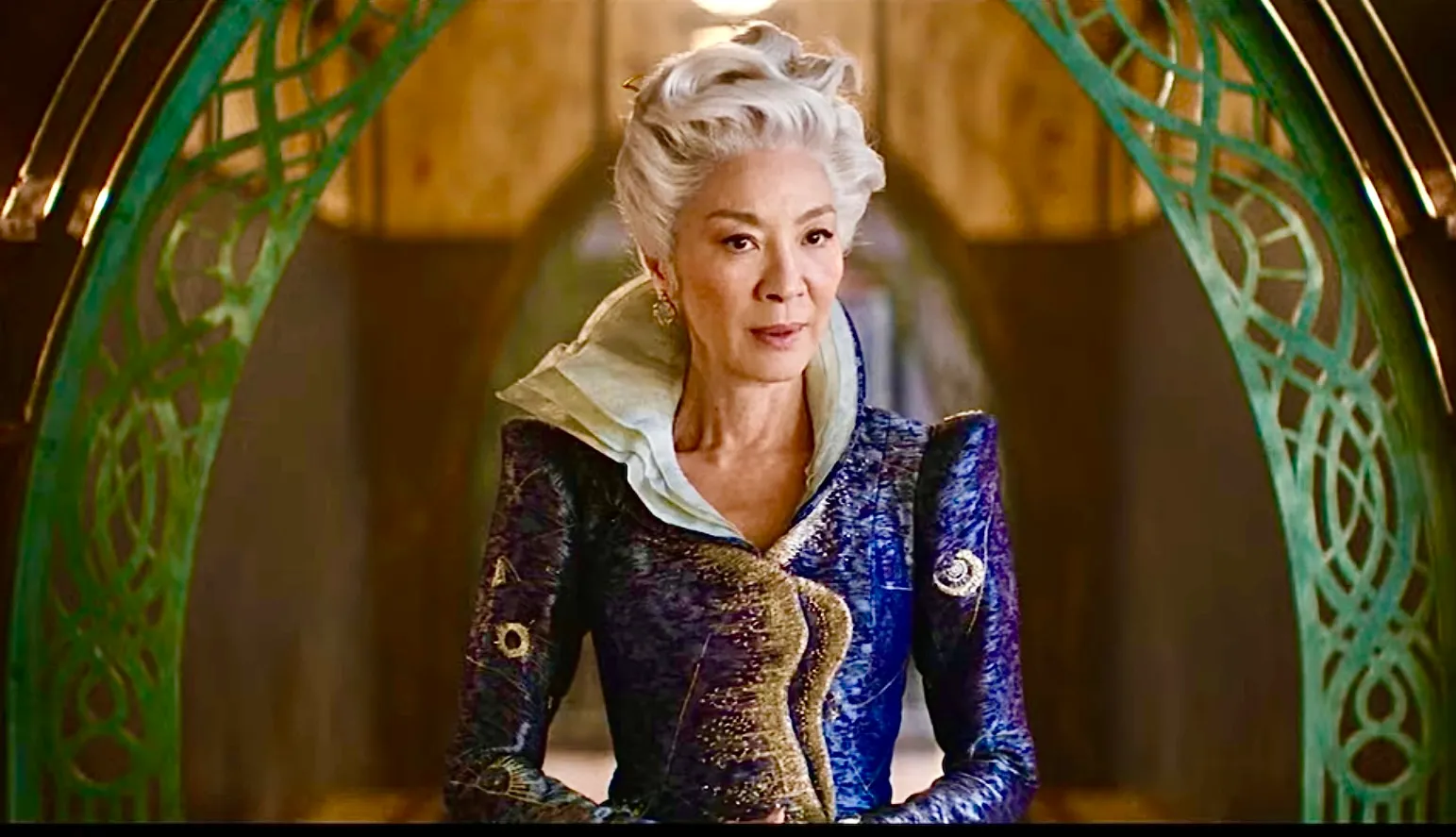
Madame Morrible Explained: Power, Secrets, and Role
At first glance, Madame Morrible seems like a classic authority figure—the kind you trust without question. She’s poised, intelligent, and commands attention the moment she walks into a room. But if you’ve spent any time exploring Wicked or its deeper narrative layers, you already know there’s much more beneath the surface.
In fact, Madame Morrible is one of those characters who quietly shapes everything while rarely being questioned. She doesn’t shout. She doesn’t fight on the front lines. Instead, she influences, manipulates, and controls from behind the curtain. That’s what makes her so fascinating—and, honestly, a little unsettling.
So who exactly is Madame Morrible? What gives her such power? And why does her role feel so crucial to the entire story? Let’s unpack it all in a way that feels real, not textbook.
Who Is Madame Morrible?
Madame Morrible is introduced as the headmistress of Shiz University, a prestigious school where young witches and students learn magic and academic disciplines. On the surface, she represents wisdom, structure, and opportunity. Students admire her. Teachers respect her. She’s the kind of figure who appears trustworthy almost by default.
However, as the story unfolds, especially in Wicked, her true nature becomes more complex. Madame Morrible is not just an educator. She’s a political strategist, a manipulator of public opinion, and a key player in Oz’s power structure.
Key Traits That Define Madame Morrible
- Charismatic leadership
- Strong political awareness
- Emotional manipulation skills
- Strategic thinking
- Ability to control narratives
These qualities explain why Madame Morrible holds such influence—not just in a school, but across the entire land of Oz.
Madame Morrible in Wicked: Her Role in the Story
In Wicked, Madame Morrible plays a pivotal role in shaping the destinies of both Elphaba and Glinda. She recognizes Elphaba’s magical talent early on and takes her under her wing.
At first, this feels like mentorship. But over time, it becomes clear that Madame Morrible’s interest is not purely benevolent.
A Mentor with an Agenda
Madame Morrible guides Elphaba, but she also steers her toward a path that ultimately serves the ruling powers in Oz. Her connection to The Wizard of Oz reveals her deeper motivations.
She isn’t just teaching magic—she’s grooming influence.
Moreover, she plays a direct role in shaping how Elphaba is perceived by the public. Through controlled messaging and manipulation, she contributes to Elphaba’s transformation into the feared “Wicked Witch.”
The Power of Madame Morrible
When we talk about Madame Morrible, we’re not just talking about magical power. Yes, she has abilities—particularly in weather manipulation—but her real strength lies elsewhere.
Types of Power She Holds
1. Political Power
Madame Morrible is closely aligned with the Wizard. She helps maintain authority and control across Oz.
2. Social Influence
She understands how people think. She shapes opinions, spreads narratives, and influences public perception.
3. Psychological Control
Perhaps her most subtle skill is emotional manipulation. She knows exactly what to say—and when to say it.
4. Magical Ability
While not the most powerful magician, her weather magic symbolizes control and unpredictability.
Together, these layers make Madame Morrible one of the most powerful figures in Wicked, even without being the central protagonist.
Madame Morrible’s Hidden Secrets
What makes Madame Morrible especially intriguing is what she doesn’t say.
Her secrets are not revealed all at once. Instead, they emerge slowly, forcing the audience to rethink everything they believed about her.
Key Secrets About Madame Morrible
- She knowingly manipulates Elphaba’s path
- She supports the Wizard’s authoritarian rule
- She helps create propaganda against perceived threats
- She prioritizes power over morality
These revelations change how we view her entirely. She’s no longer just a teacher—she becomes a symbol of institutional control.
Is Madame Morrible a Villain?
This is where things get interesting. Labeling Madame Morrible as a simple villain feels too easy.
Yes, she manipulates people. Yes, she supports questionable leadership. But she also believes she’s maintaining order. From her perspective, chaos is the real enemy.
Two Ways to See Madame Morrible
As a Villain:
- Uses people for personal and political gain
- Distorts truth for control
- Shows little empathy for consequences
As a Pragmatist:
- Values stability over idealism
- Operates within an existing system
- Believes control prevents disaster
This duality is what makes Madame Morrible such a compelling character. She exists in that uncomfortable gray area between right and wrong.
Madame Morrible and Symbolism
Characters in Wicked often represent larger ideas, and Madame Morrible is no exception.
What She Symbolizes
- Institutional authority
- Media manipulation
- Political propaganda
- Fear-based control
In many ways, Madame Morrible reflects real-world systems where power operates behind the scenes.
Moreover, her role encourages viewers to question authority. Just because someone appears respectable doesn’t mean their intentions are pure.
Relationship with Elphaba and Glinda
Madame Morrible’s interactions with Elphaba and Glinda reveal her true nature more clearly than anything else.
With Elphaba
She sees potential—but also opportunity. Elphaba becomes both a student and a tool.
With Glinda
Her relationship with Glinda is more subtle. She influences her through praise and positioning, guiding her toward public approval and acceptance.
In both cases, Madame Morrible uses different strategies to achieve the same goal: control.
Madame Morrible in Adaptations
Madame Morrible appears in multiple versions of the Wicked story, from stage productions to film adaptations.
Each version adds slight variations, but her core traits remain consistent:
- Intelligent
- Manipulative
- Politically connected
Interestingly, different performances highlight different aspects of her personality. Some portray her as colder and more calculating, while others emphasize her charm.
Why Madame Morrible Matters
It’s easy to focus on the main heroes and villains, but characters like Madame Morrible often drive the story more than anyone else.
She’s the one pulling strings. She’s the one shaping outcomes.
Without Madame Morrible, the entire narrative of Wicked would shift dramatically.
Her Impact on the Story
- Influences major plot events
- Shapes character arcs
- Controls public perception
- Represents systemic power
In short, she’s the engine behind many of the story’s biggest turning points.
Lessons We Can Learn from Madame Morrible
Surprisingly, there are real-life lessons hidden within her character.
Key Takeaways
- Question authority, even when it يبدو trustworthy
- Power often operates behind the scenes
- Influence can be more powerful than force
- Not all mentors have pure intentions
These insights make Madame Morrible more than just a fictional character. She becomes a lens through which we can examine real-world dynamics.
Frequently Asked Questions About Madame Morrible
What is Madame Morrible known for?
Madame Morrible is known as the headmistress of Shiz University and a key political figure in Wicked.
Does Madame Morrible have magical powers?
Yes, she has weather-related magic, but her real strength lies in manipulation and influence.
Is Madame Morrible evil?
She’s more complex than a traditional villain. Her actions can be seen as both harmful and strategic.
Why is Madame Morrible important?
She plays a major role in shaping the story and influencing other characters.
Final Thoughts on Madame Morrible
When you really sit with it, Madame Morrible is one of the most quietly powerful characters in modern storytelling. She doesn’t need dramatic entrances or flashy magic to leave an impact. Her influence is subtle, calculated, and deeply rooted in systems of power.
That’s what makes her unforgettable.
Understanding Madame Morrible means understanding how control works—not just in Oz, but in the real world too. And perhaps that’s why audiences keep coming back to her character again and again.
So next time you watch Wicked or revisit the story, pay closer attention to Madame Morrible. You might notice things you missed before.
What’s your take on Madame Morrible? Is she a villain, a strategist, or something in between? Share your thoughts and keep the conversation going.