

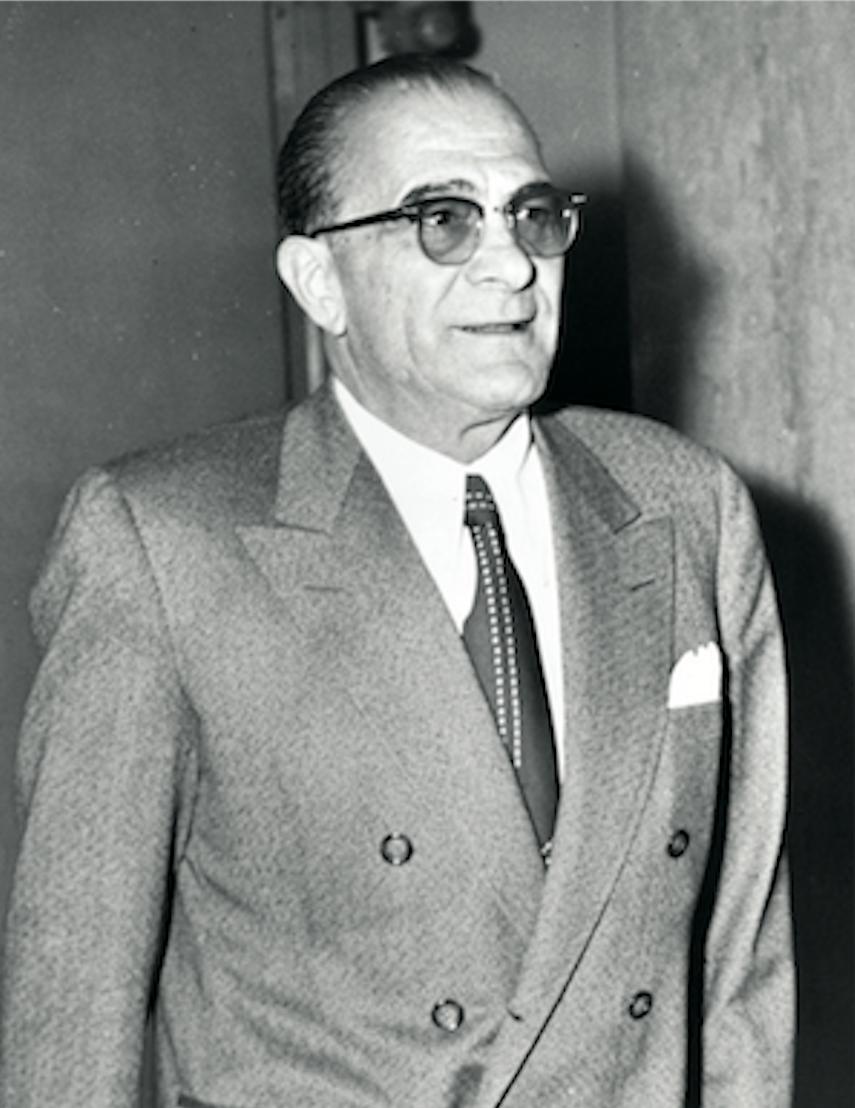
Inside Vito Genovese and Frank Costello’s Mafia War
The American Mafia has always fascinated the public. Stories of loyalty, betrayal, hidden power, and organized crime continue capturing attention decades later. Yet among all the legendary mob rivalries in history, few were as intense or influential as the war between Vito Genovese and Frank Costello.
Their conflict wasn’t simply about money. It was about power, respect, influence, and control over one of the most powerful crime families in America. The battle between these two mob bosses reshaped organized crime in New York City and changed Mafia history forever.
What makes the story even more fascinating is how different these men were. Frank Costello preferred political influence, quiet strategy, and business connections. Vito Genovese, on the other hand, built a reputation for aggression, ambition, and ruthless determination.
Together, they created one of the most dangerous rivalries in American organized crime.
Quick Biography of Vito Genovese
| Detail | Information |
|---|---|
| Full Name | Vito Genovese |
| Date of Birth | November 21, 1897 |
| Age at Death | 71 |
| Profession | Mafia Boss |
| Nationality | Italian-American |
| Net Worth (approx.) | Millions through organized crime |
| Notable Works / Achievements | Leader of the Genovese crime family |
Who Was Vito Genovese?
Vito Genovese was one of the most feared figures in organized crime history. Born in Italy before immigrating to the United States, he quickly became involved in criminal activity during the rise of the American Mafia.
Unlike some mobsters who preferred staying behind the scenes, Vito Genovese actively pursued power. He wanted control, influence, and authority inside the Mafia hierarchy.
Over time, he became deeply connected to:
- Illegal gambling
- Racketeering
- Extortion
- Political corruption
- Drug trafficking
- Organized crime networks
Many historians consider Vito Genovese one of the most powerful Mafia bosses of the 20th century.
Who Was Frank Costello?
Frank Costello earned a very different reputation.
Often called “The Prime Minister of the Underworld,” Frank Costello focused more on diplomacy and political relationships than open violence.
He became known for:
- Political influence
- Business connections
- Gambling operations
- Corruption networks
- Strategic leadership
Unlike Vito Genovese, Costello understood how to work quietly with powerful figures in politics and law enforcement.
That difference in leadership style eventually became the center of their Mafia war.
How the Rivalry Began
The conflict between Vito Genovese and Frank Costello didn’t explode overnight. It slowly developed through ambition, shifting loyalties, and growing tension inside the Mafia.
After the death of powerful mob boss Charles Luciano’s leadership era weakened, questions about succession created instability.
Frank Costello gained influence because of his intelligence and political reach. However, Vito Genovese believed he deserved greater authority.
That disagreement planted the seeds of war.
The Rise of the Genovese Crime Family
The Mafia family eventually associated with Vito Genovese became one of the “Five Families” controlling organized crime in New York.
The organization later became known as the Genovese crime family.
Its influence extended into:
- Construction unions
- Gambling operations
- Loan sharking
- Waterfront control
- Labor rackets
- Illegal businesses
Vito Genovese helped transform the family into one of the most feared criminal organizations in America.
Different Leadership Styles
One reason the rivalry became so dramatic was because these men represented two completely different visions of organized crime.
Frank Costello’s Approach
Frank Costello preferred:
- Political influence
- Quiet negotiations
- Business partnerships
- Low public attention
- Strategic corruption
He believed staying discreet helped the Mafia survive.
Vito Genovese’s Approach
Vito Genovese preferred:
- Aggressive expansion
- Fear-based authority
- Ruthless enforcement
- Direct control
- Intimidation
He believed power belonged to whoever could take it.
These opposing styles made conflict almost unavoidable.
The Assassination Attempt on Frank Costello
One of the most shocking moments in the Mafia war happened in 1957.
A gunman attempted to assassinate Frank Costello outside his apartment building in New York City.
Although Costello survived, the attack changed everything.
Many investigators and historians believed Vito Genovese orchestrated the assassination attempt to eliminate his rival and take full control of the crime family.
Interestingly, Costello chose not to continue a bloody war afterward. Instead, he gradually stepped back from leadership.
That decision allowed Vito Genovese to rise even higher inside organized crime circles.
Why Vito Genovese Wanted Power
Ambition played a massive role in the conflict.
Vito Genovese reportedly viewed himself as the rightful leader of the Mafia organization. He wanted recognition, influence, and complete authority.
Several factors fueled his desire for power:
- Personal pride
- Mafia politics
- Financial opportunity
- Revenge
- Status among mob bosses
Unlike quieter leaders, Genovese craved dominance.
That hunger helped make him both successful and dangerous.
Organized Crime in 1950s America
To fully understand Vito Genovese, it helps to understand the environment of the time.
During the mid-20th century, organized crime influenced many industries across America.
Mob operations often involved:
- Illegal casinos
- Sports betting
- Union corruption
- Construction contracts
- Loan sharking
- Nightclubs
- Smuggling
The Mafia became deeply connected to political systems, business networks, and local governments.
This environment allowed powerful crime bosses like Vito Genovese and Frank Costello to build enormous influence.
The Influence of Lucky Luciano
No discussion about Vito Genovese is complete without mentioning Charles Luciano, better known as Lucky Luciano.
Luciano helped modernize the Mafia structure in America. He promoted organized systems instead of chaotic gang warfare.
Both Frank Costello and Vito Genovese operated within the power structure Luciano helped create.
However, after Luciano’s influence weakened, internal power struggles intensified.
That opened the door for the rivalry to grow.
Vito Genovese and the Mafia Commission
The Mafia Commission functioned like a governing body for organized crime families.
Vito Genovese wanted enormous influence within this system.
However, his aggressive reputation created concern among other Mafia leaders. Some feared he was too reckless and power-hungry.
Frank Costello, meanwhile, often maintained stronger political relationships and diplomatic alliances.
This balance of fear and influence shaped Mafia politics during the era.
The Apalachin Meeting
One of the most famous events connected to Vito Genovese occurred in 1957.
The Apalachin meeting brought together major organized crime leaders in New York.
Authorities unexpectedly raided the gathering, exposing the scale of organized crime to the public.
The meeting became a turning point in Mafia history.
It also increased law enforcement pressure on figures like Vito Genovese.
Did Vito Genovese Win the Mafia War?
In many ways, yes.
After Frank Costello stepped back from leadership, Vito Genovese gained greater control over the organization.
However, victory came with consequences.
As his power increased, so did government attention.
Federal authorities intensified investigations into organized crime, and Genovese eventually faced major legal problems.
So while he achieved dominance temporarily, the pressure surrounding his empire never disappeared.
The Fall of Vito Genovese
Despite his power, Vito Genovese’s downfall eventually arrived.
In 1959, he was convicted on narcotics charges and sentenced to prison.
Many historians believe rival Mafia figures may have helped authorities target him. Organized crime politics often involved betrayal behind the scenes.
Even from prison, however, Genovese reportedly maintained influence over criminal operations.
His reputation remained powerful until his death in 1969.
Frank Costello’s Later Years
Unlike many mob figures, Frank Costello survived into old age.
After stepping away from direct leadership, he lived more quietly than many expected.
He maintained influence in certain circles but avoided major public violence later in life.
That difference highlights one of the most interesting contrasts between the two men:
- Genovese pursued total power aggressively.
- Costello prioritized survival and strategic retreat.
In the end, Costello arguably outlasted many of his enemies.
Why This Mafia War Still Fascinates People
The story of Vito Genovese and Frank Costello remains popular because it contains every element of dramatic storytelling:
- Betrayal
- Ambition
- Violence
- Political corruption
- Survival
- Organized crime power struggles
Modern audiences continue exploring Mafia history through:
- Documentaries
- Podcasts
- Crime books
- TV series
- Historical analysis
- Mafia biographies
The rivalry also reflects larger themes about power and leadership.
Key Differences Between Genovese and Costello
| Vito Genovese | Frank Costello |
|---|---|
| Aggressive leadership | Diplomatic leadership |
| Ruthless reputation | Political influence |
| Power-focused | Strategy-focused |
| Feared by rivals | Respected by allies |
| Violent methods | Quiet manipulation |
These differences explain why their conflict became so legendary.
The Legacy of Vito Genovese
Today, Vito Genovese remains one of the most recognizable names in Mafia history.
His legacy continues influencing:
- Crime documentaries
- Organized crime research
- Mafia movies
- Historical studies
- True crime discussions
The Genovese crime family still carries his name decades later, showing the lasting impact of his influence.
Popular Myths About Vito Genovese
Over time, myths and exaggerated stories developed around Vito Genovese.
Some portray him as unstoppable. Others depict him as purely evil.
Reality was likely more complicated.
Like many historical organized crime figures, he operated within a brutal environment shaped by power struggles, corruption, immigration history, and economic opportunity.
That complexity keeps historians interested even today.
Frequently Asked Questions
Who was Vito Genovese?
Vito Genovese was a powerful Italian-American Mafia boss associated with the Genovese crime family.
Who was Frank Costello?
Frank Costello was a major organized crime leader known for political influence and strategic leadership.
Why did Vito Genovese target Frank Costello?
The rivalry centered around Mafia leadership, power, and control over organized crime operations.
Did Frank Costello survive the assassination attempt?
Yes. Frank Costello survived the 1957 assassination attempt and later stepped back from leadership.
What was the Apalachin meeting?
The Apalachin meeting was a gathering of Mafia leaders that exposed organized crime networks to the public.
Final Thoughts on Vito Genovese and Frank Costello’s Mafia War
The conflict between Vito Genovese and Frank Costello wasn’t just another criminal feud. It represented a turning point in organized crime history.
Their rivalry exposed how ambition, fear, strategy, and betrayal shaped the American Mafia during its most powerful years. Vito Genovese pursued dominance through force and intimidation, while Frank Costello relied on intelligence and political influence.
In the end, both men left lasting marks on organized crime history.
Today, their story continues fascinating readers because it blends real historical events with larger themes about power, loyalty, survival, and corruption. Few Mafia rivalries have ever matched the intensity of the war between Vito Genovese and Frank Costello.
Which Mafia figure do you think was more dangerous: the aggressive Vito Genovese or the strategic Frank Costello? Share your thoughts and continue the discussion.